clinical-skin-treatments-london-harley-street
Expert-Led Procedures to Diagnose, Treat and Support Skin Health

Clinical Skin Treatments Hertfordshire

At MediDerm Clinic, we provide a wide range of evidence-based clinical treatments for skin, hair, and nail concerns. From diagnostic procedures such as biopsies and patch testing to therapeutic treatments like cryotherapy, phototherapy, and minor surgery, all care is delivered by experienced dermatology professionals in a medically regulated environment. Whether you're managing a chronic condition or addressing a specific lesion, we focus on safe, effective outcomes tailored to your individual needs.

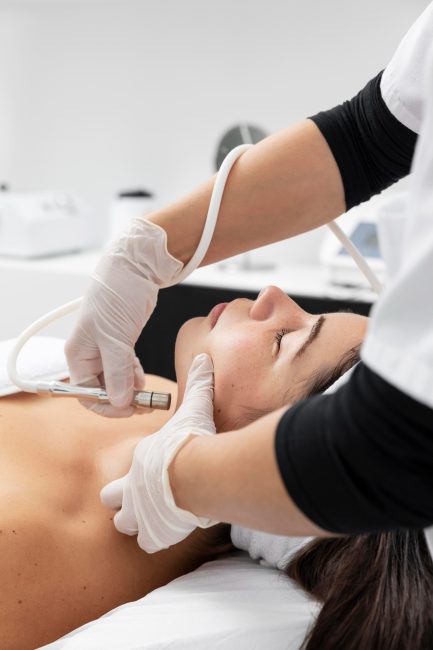
Cryotherapy

Cryotherapy involves using extreme cold to treat various skin conditions, including warts, precancerous growths, and certain types of skin cancer. The process typically utilizes liquid nitrogen, which is applied directly to the affected area, freezing and destroying abnormal tissue. This treatment is minimally invasive and often requires little recovery time. Cryotherapy can also be used for conditions like age spots, seborrheic keratoses, and actinic keratosis. While generally safe, the procedure may cause temporary redness, swelling, or blistering. Dermatology cryotherapy is effective for many patients but is not suitable for all skin types or conditions, requiring professional evaluation beforehand.

This is a clinical indication treatment and hence is different to the cryotherapy chambers that are offered in wellness clinics.

cryotherapy -img
phototherapy-img

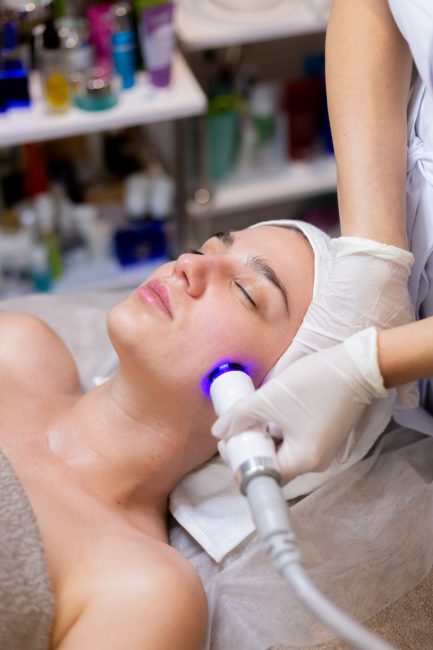
Phototherapy

Dermatology phototherapy, also known as light therapy, is a treatment that uses ultraviolet (UV) light to manage various skin conditions, including psoriasis, eczema, vitiligo, and acne. The procedure involves exposing the skin to controlled doses of UV light under medical supervision. Narrowband UVB is the most commonly used types of phototherapy.

This treatment helps reduce inflammation, slow down overactive skin cell production, and improve skin appearance. Phototherapy is typically administered in multiple sessions over weeks or months. While generally safe, side effects can include skin redness, dryness, or increased sensitivity to sunlight.

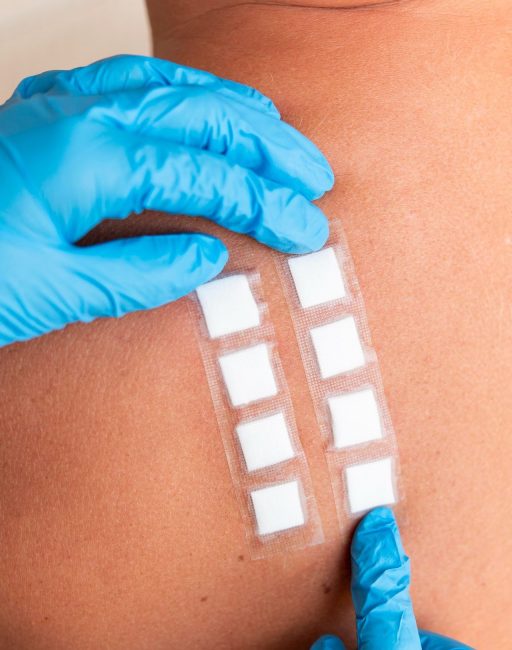
Patch Testing

Skin patch testing is a diagnostic procedure used to identify allergic reactions to specific substances, such as but not limited to fragrances, metals, or chemicals. During the test, small amounts of allergens are applied to patches, which are then placed on the skin, usually on the back. The patches remain in place for 48 hours, allowing time for the skin to react. After the patches are removed, a healthcare provider examines the skin for any signs of irritation or allergic response. This test is particularly useful for diagnosing contact dermatitis and helps determine which substances may be causing skin reactions. The testing process takes a week with the patches applied on day one, then removed on day 3 where an initial reading is obtained and then a final reading is documented on day 5.
patch_testing-img
intralesional_steroid_injections-img

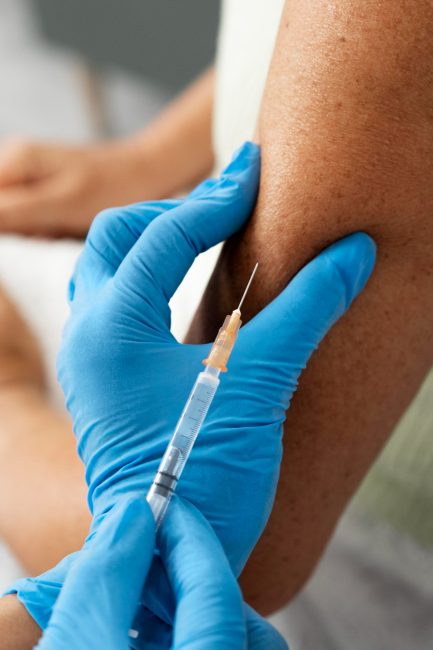
Intralesional Steroid Injections

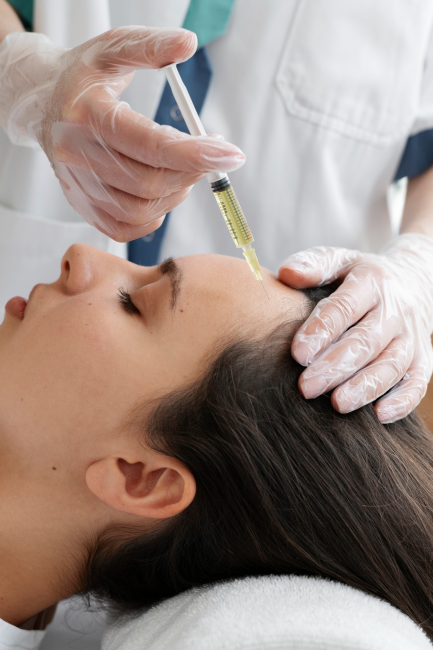
Intralesional steroid injections involve injecting a corticosteroid directly into a specific skin lesion to reduce inflammation and promote healing. This treatment is commonly used for conditions such as keloids, hypertrophic scars, alopecia areata, and certain types of psoriasis. It can also be effective for treating acne cysts, granuloma annulare, and other inflammatory skin disorders. The steroids work by suppressing the immune response, reducing swelling, and encouraging the breakdown of excess collagen or abnormal cell growth. While generally safe, side effects can include skin thinning or discoloration, so the procedure should be performed by a qualified dermatologist.

Biopsy

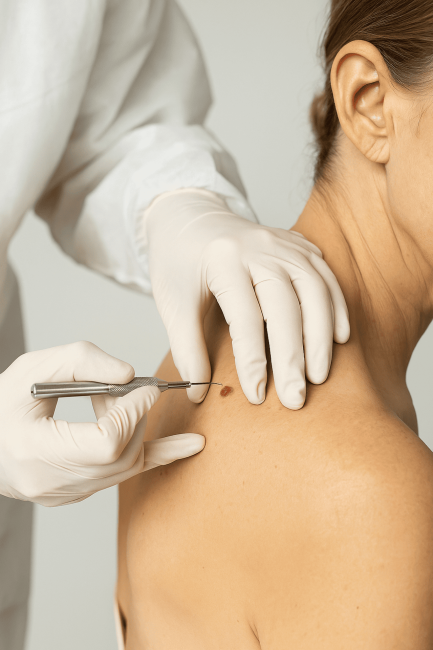
A skin biopsy is a medical procedure in which a small sample of skin is removed for examination under a microscope. It is used to diagnose various skin conditions, including skin cancer, infections, inflammatory disorders, and unexplained rashes. There are several types of skin biopsies, such as shave, punch, and excisional biopsies, depending on the location and depth of the lesion. The procedure is typically performed under local anesthesia to minimize discomfort. The biopsy sample is sent to a laboratory for analysis, helping dermatologists determine the nature of the skin condition and guide appropriate treatment options.
biopsy-img
excision-img

Excision

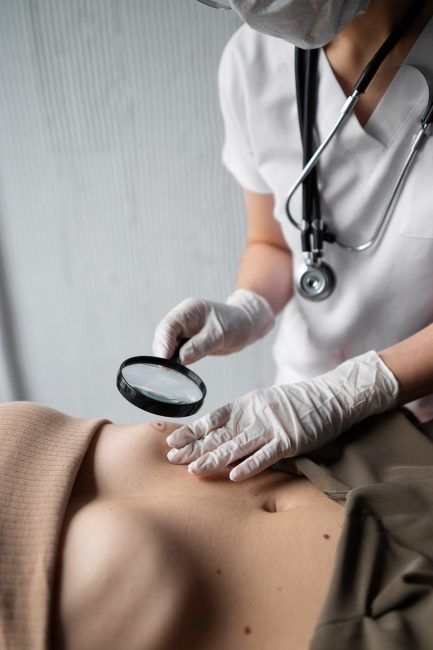
Excision is a surgical procedure in which a lesion, growth, or abnormal tissue is removed from the body. In dermatology, excision is commonly used to treat skin cancers, such as melanoma and basal cell carcinoma, as well as to remove moles, cysts, or suspicious lesions. The procedure is performed under local anesthesia to numb the area, and the tissue is carefully cut out with a scalpel. After removal, the wound is typically closed with sutures, and the sample is sent for pathological analysis. Excision provides a definitive diagnosis and ensures complete removal of the affected tissue, promoting effective healing.

Botulinum Toxin Injection for Hyperhidrosis

Botulinum toxin injections are an effective treatment for hyperhidrosis, a condition characterized by excessive sweating. The toxin is injected into the affected areas, such as the underarms, hands, feet, or face, where it blocks the nerve signals that trigger sweat production. This temporarily reduces sweating for several months. The procedure is minimally invasive, with effects typically lasting 4 to 6 months before additional treatments are needed. While generally safe, side effects may include temporary pain, redness, or weakness in the treated area. Botulinum toxin injections offer a non-surgical option for managing hyperhidrosis, improving quality of life for many patients.
botox_hyperhidrosis-img
lesion_excision-img

Benign Lesion Excision- Cyst/Lipoma

Excision is a surgical procedure in which a lesion, growth, or abnormal tissue is removed from the body. In dermatology, excision is commonly used to treat skin cancers, such as melanoma and basal cell carcinoma, as well as to remove moles, cysts, or suspicious lesions. The procedure is performed under local anesthesia to numb the area, and the tissue is carefully cut out with a scalpel. After removal, the wound is typically closed with sutures, and the sample is sent for pathological analysis. Excision provides a definitive diagnosis and ensures complete removal of the affected tissue, promoting effective healing.