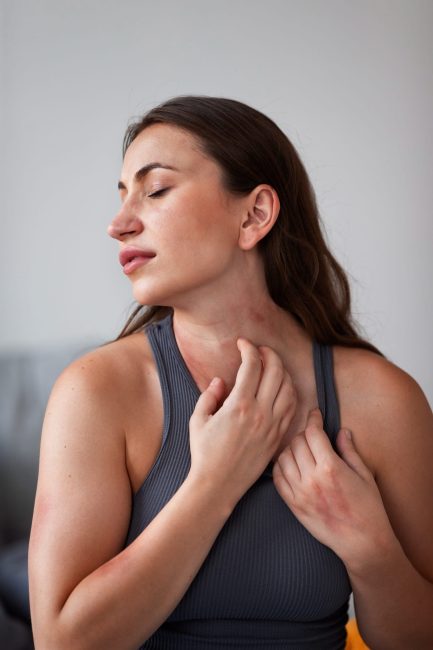
common-skin-conditions-intro
Effective Treatment for Acne, Eczema, Psoriasis, Hair Loss and More

Common Skin Conditions

Skin concerns can affect anyone, at any age — from acne and eczema to hair loss, pigmentation, and skin cancer. At MediDerm Clinic, our dermatologists diagnose and manage a wide range of skin, hair, and nail conditions with expert care tailored to each individual. Whether your concern is medical, chronic, or cosmetic, we provide evidence-based treatment plans to help restore skin health and confidence.

Acne and acne scars

Acne is a common skin condition caused by clogged pores due to excess oil, dead skin cells, and bacteria. It appears as pimples, blackheads, whiteheads, and sometimes cysts, mostly on the face, chest, and back. Hormonal changes, stress, and diet can contribute to acne. Treatment options include topical and oral medications, chemical peels, and microneedling with PRP for acne scars.

On Basis of your skin assessment, severe acne would be treatment subject to meeting the guideline criteria with isotretinoin for age groups of 18 and above. This is in accordance with MHRA guidelines.

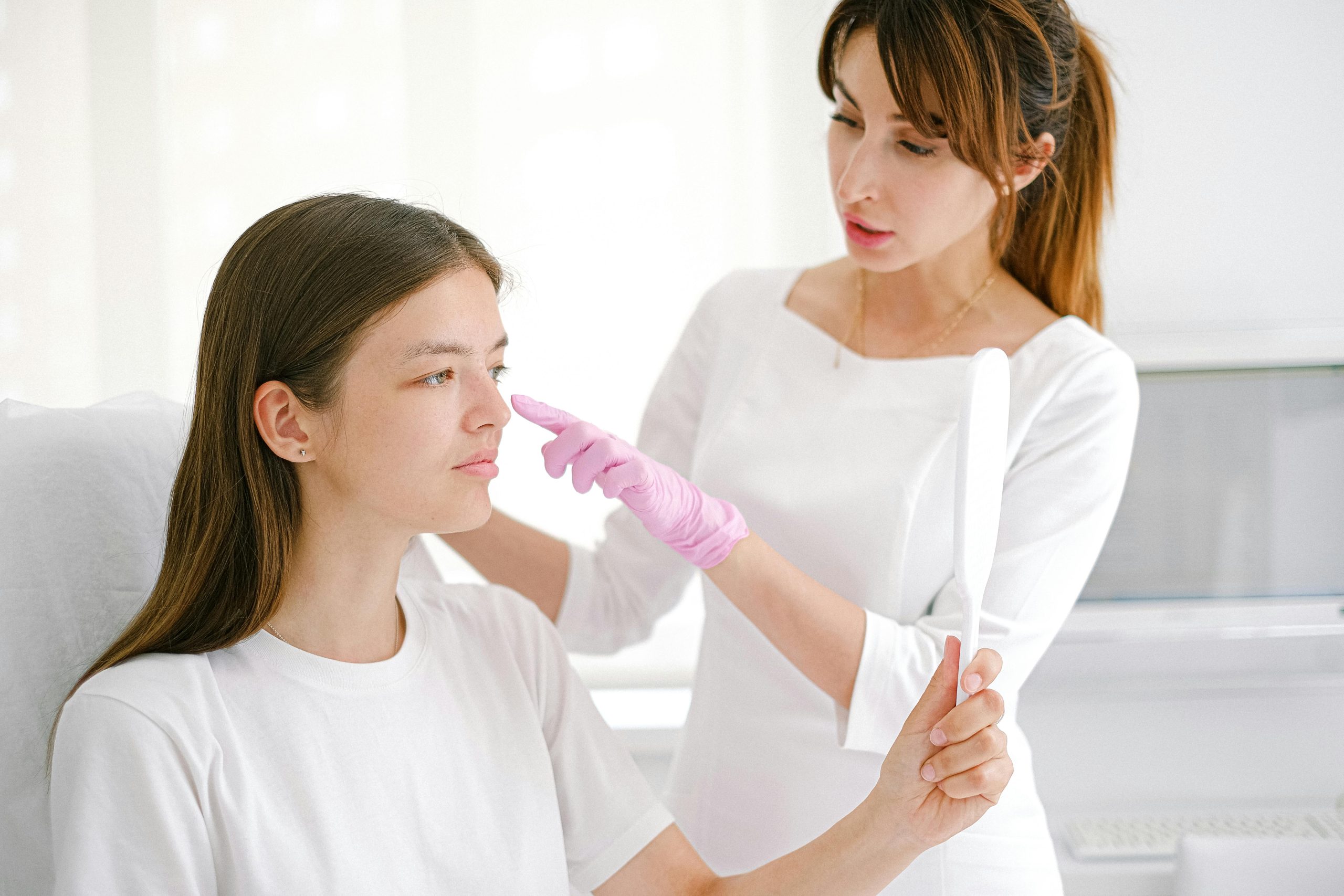
acne-img
vitiligio-img

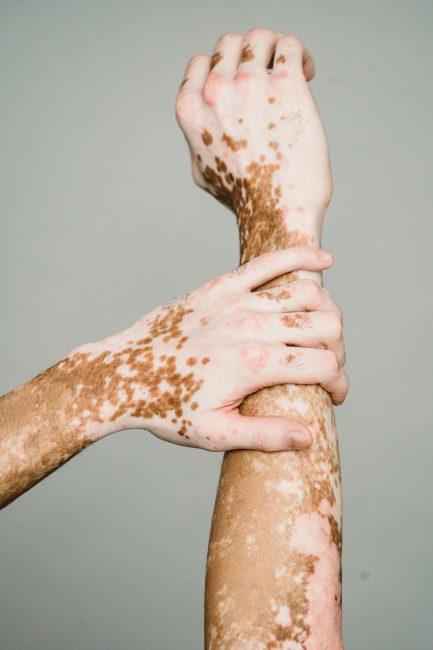
Vitiligo

Vitiligo is a long-term skin condition characterized by the loss of pigment in certain areas, resulting in white patches. It occurs when the immune system attacks the melanocytes, the cells responsible for producing skin color. The exact cause is unknown but is believed to be linked to genetic factors and autoimmune responses. Vitiligo can affect any part of the body, including the face, hands, and other sun-exposed areas. While the condition is not contagious, it can impact self-esteem. Treatment options include topical corticosteroids, phototherapy, and depigmentation therapy, though there is no cure. Early intervention helps manage symptoms and prevent further spreading.

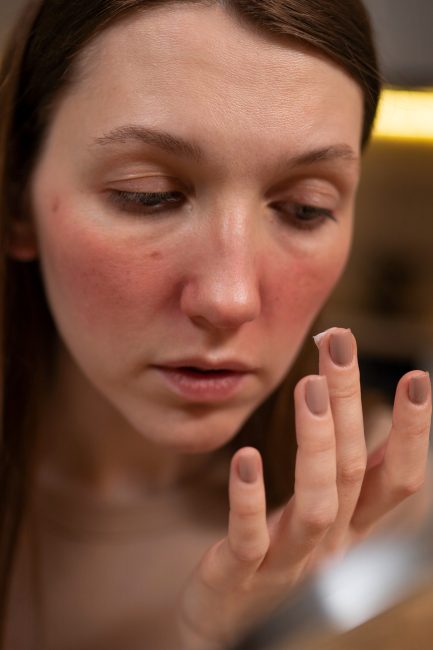
Rosacea

Rosacea is a chronic skin condition that causes facial redness, visible blood vessels, and occasional acne-like bumps, primarily affecting the cheeks, nose, chin, and forehead. Triggers include sun exposure, spicy foods, alcohol, stress, and temperature extremes. While the exact cause is unknown, it is linked to genetics, immune system dysfunction, and environmental factors. Rosacea has no cure, but treatments such as topical and oral medications, laser therapy, and lifestyle adjustments help manage symptoms. Early diagnosis and trigger avoidance are key to controlling flare-ups. Without treatment, rosacea can worsen over time, potentially leading to persistent redness and skin thickening.
rosacea-img
Eczema-img

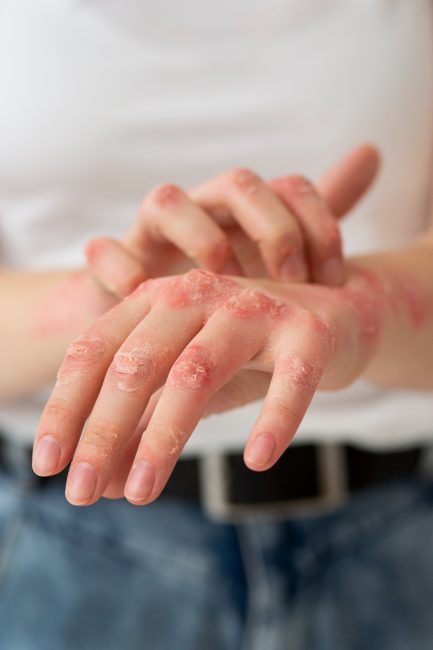
Atopic Dermatitis (Eczema)

Atopic eczema, or atopic dermatitis, is a chronic inflammatory skin condition that causes redness, itching, dryness, and irritation. It commonly affects children but can persist into adulthood. The exact cause is unknown, but it is linked to genetics, immune system dysfunction, and environmental triggers like allergens, stress, and weather changes. Flare-ups can be managed with regular moisturizing, anti-inflammatory creams, antihistamines, and lifestyle modifications. Severe cases may require prescription treatments such as corticosteroids or immunosuppressants. Avoiding triggers and maintaining a proper skincare routine are essential for long-term management. Though not contagious, atopic eczema can significantly impact quality of life.

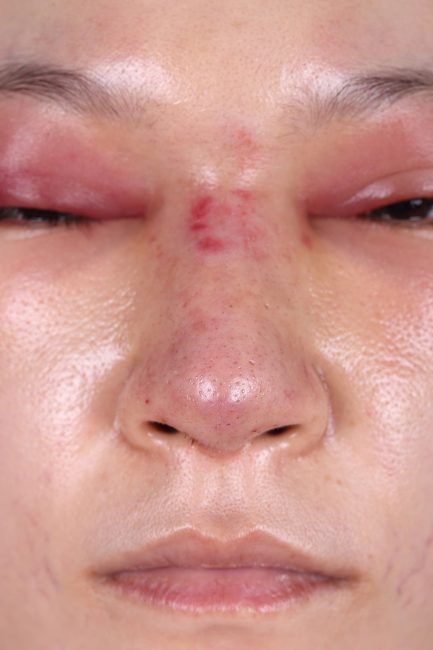
Contact Dermatitis

This occurs when the skin reacts to allergens or irritants such as but not limited to soaps, fragrances, or metals, causing redness, itching, and sometimes blisters. Treatment includes avoiding triggers and using topical steroids or antihistamines. We will soon be offering patch testing at the clinic to patients who have a clinical history indicative of contact dermatitis.
dermatitis-img
actinic_keratosis-img

Actinic Keratosis (AK)

Actinic keratosis (AK) is a common precancerous skin condition caused by prolonged sun exposure. It appears as rough, scaly patches on sun-exposed areas like the face, scalp, ears, and hands. These lesions can be pink, red, or flesh-colored and may feel tender or itchy. While AKs are not cancerous, they can develop into squamous cell carcinoma if left untreated. Treatment options include cryotherapy, topical medications, laser therapy, and photodynamic therapy. Preventive measures such as wearing sunscreen, protective clothing, and avoiding excessive sun exposure can reduce the risk. Early detection and treatment are essential for maintaining healthy skin.

Fungal Infections

Fungal skin infections, such as ringworm, athlete’s foot, and yeast infections, are caused by fungi thriving in warm, moist areas. Symptoms include redness, itching, and scaling. On basis of your skin assessment, treatment measures will be prescribed. Fungal infections can often also involve finger and toenails.
fungal-infection
Closeup of the back of a shaved head showing multiple red, inflamed bumps caused by folliculitis.

Folliculitis

Folliculitis is an infection or inflammation of the hair follicles, commonly caused by bacteria, fungi, or irritation from shaving, tight clothing, or excessive sweating. It appears as red, itchy bumps or pustules around hair follicles, often on the scalp, face, or body. The condition can range from mild to severe, with more extensive or chronic cases potentially leading to scarring. Treatment depends on the cause and may include antibiotics, antifungal creams, or proper hygiene practices. Avoiding tight clothing, using non-irritating shaving techniques, and maintaining clean skin can help prevent folliculitis from recurring.

Hives (Urticaria)

Urticaria, commonly known as hives, is a skin reaction characterized by red, itchy, raised welts that can vary in size and shape. It can be triggered by allergens, infections, stress, temperature changes, or certain medications. Acute urticaria lasts a few hours to days, while chronic urticaria persists for weeks or months. In most cases, antihistamines effectively relieve symptoms, but severe cases may require corticosteroids or immunosuppressants. Identifying and avoiding triggers is key to prevention. Though generally harmless, urticaria can sometimes be associated with serious allergic reactions requiring immediate medical attention, especially if accompanied by breathing difficulties or swelling.
urticaria-img
keloids-img

Keloids

A keloid scar is an overgrowth of fibrous tissue that forms at the site of an injury or incision, extending beyond the original wound boundary. It appears as a raised, thick, and often discolored area of skin. Keloids are more common in individuals with darker skin tones and can develop after surgery, burns, acne, or even minor injuries. Unlike regular scars, keloids can continue to grow over time. Treatment options include corticosteroid injections, silicone gel sheets, laser therapy, cryotherapy, or surgical removal. However, keloids have a tendency to recur, making prevention and early treatment important.

Lichen Planus

Lichen planus is an inflammatory skin condition that causes itchy, flat, purple or reddish-purple lesions, typically on the wrists, ankles, and lower back. It can also affect mucous membranes, such as the inside of the mouth or genital areas. The cause is unclear but is believed to involve an autoimmune response where the immune system attacks healthy skin cells. Lichen planus can be triggered by stress, infections, or certain medications. Treatment options include topical steroids, oral medications, and phototherapy to reduce inflammation and control symptoms. While it can resolve on its own, treatment helps alleviate discomfort and prevent recurrence.
lichen_planus-img
melasma-img

Melasma

Melasma causes brown or gray patches, often on the face, due to sun exposure, hormonal changes, or pregnancy. Treatments include sun protection, topical creams, in a select number of patients chemical peels with strict adherence to procedure protocol can be considered.

Seborrheic Dermatitis

Seborrhoeic dermatitis is a common inflammatory skin condition that causes red, greasy, and scaly patches, often on the scalp, face, and chest. It is linked to an overgrowth of Malassezia yeast and an abnormal immune response. Symptoms include dandruff, itching, and flaky skin, which may worsen in cold weather or with stress. While not contagious, it can be chronic and recurrent. Treatment includes medicated shampoos, antifungal creams, corticosteroids, and lifestyle adjustments. Gentle skincare and avoiding harsh products can help manage symptoms. Though typically mild, seborrhoeic dermatitis can significantly affect comfort and self-confidence if left untreated.
Detail of man's chin with seborrheic dermatitis in the beard area
skin_tags-img

Skin Tags

Skin tags, also known as acrochordons, are small, soft, benign growths of skin that typically appear on areas where skin rubs against skin or clothing, such as the neck, armpits, eyelids, and groin. They are generally flesh-colored or slightly darker and may range in size from a few millimeters to a couple of centimeters. Skin tags are most common in middle-aged and older adults, and those with obesity or diabetes are at higher risk. Though they are harmless, they can become irritated or bothersome. Removal options include cryotherapy, snipping, or cauterization, usually performed by a healthcare provider.

Seborrhoeic keratosis

Seborrhoeic keratosis (SK) is a common, benign skin growth that typically appears as a brown, black, or pale wart-like lesion. It often develops in older adults and may appear anywhere on the body, though it is most common on the face, chest, shoulders, or back. SKs are usually round or oval, with a slightly elevated, scaly surface. While they are harmless and do not require treatment, they can become irritated or cosmetically bothersome. Diagnosis is often clinical, but biopsy may be necessary if there is concern for skin cancer. Treatment options include cryotherapy, curettage, and laser therapy.
queratosis_seborreica-img

Launching Booking System

Our booking system should now be open in a new window. If you don't see the booking window, please click here to open it manually.