
“UVA ages your skin. UVB burns it. Both can cause skin cancer.”
We all know that too much sun isn’t good for us. We’ve heard it since childhood. But there’s a significant difference between knowing you should wear sunscreen and truly understanding what will happen to your skin if you don’t. Once you know why, sun protection stops feeling like an inconvenience and starts feeling like a true no-brainer.
Two types of rays, two types of damage
When sunlight reaches your skin, it carries UV radiation in two main forms – UVA and UVB – and they affect your skin in different ways.
- UVA → goes deep → causes aging
- UVB → stays shallow → causes sunburn
UVB rays act on the outer layers of the skin and are the primary cause of sunburn. That redness and pain you feel after too long in the sun? That’s UVB at work.
UVA rays, on the other hand, penetrate much deeper into the skin’s structure. They don’t cause the same immediate visible reaction, which makes them easier to dismiss, but they contribute to both premature ageing and long-term cellular damage that can have serious consequences.
Crucially, both types play a role in the development of skin cancer.
What happens to your skin cells?
- UV light hits your skin
UV radiation from the sun doesn’t just stay on the surface. It penetrates through the outer layers of skin and reaches the living cells below.
- DNA gets corrupted
UV energy breaks bonds in the DNA strand, introducing errors called mutations. These are typos in the code your cells depend on to function correctly.
- Your body tries to repair it
Built-in repair enzymes scan the DNA and fix most damage. But with repeated UV exposure, more errors arrive than can be corrected — some slip through unrepaired.
- Damage multiplies
Mutated cells survive, divide, and pass on their faulty instructions. Errors accumulate in genes that control when cells grow and stop — gradually breaking down normal tissue.
- The result: skin cancer
When the growth cycle breaks down, cancerous tissue forms. There are three main types each arising from a different cell, but all driven by this same process.
1.Basal cell carcinoma
Most common. Grows slowly in the deepest layer of the outer skin. Rarely spreads.
2. Squamous cell carcinoma
Forms in the flat surface cells. Can spread to other organs if left untreated.
3. Melanoma
Less common but most dangerous. Starts in pigment-producing cells and spreads quickly.
The damage happens long before you can see it.
Damage is invisible for years sometimes decades
Most cellular damage that leads to cancer occurs long before anything appears on the skin. The idea that “I’ve never had a bad burn” can offer a false sense of security daily, unprotected exposure adds up quietly, even on overcast days or through a car window.
Some people face higher risk
A family history of skin cancer, or significant sun exposure accumulated over many years, makes that damage more likely to reach a threshold. For these groups, regular professional skin checks are especially important.
What you can do about it
Skin cancer is one of the most preventable forms of cancer. The steps are straightforward and the earlier they become habits, the more protective they are.
- Wear sunscreen daily
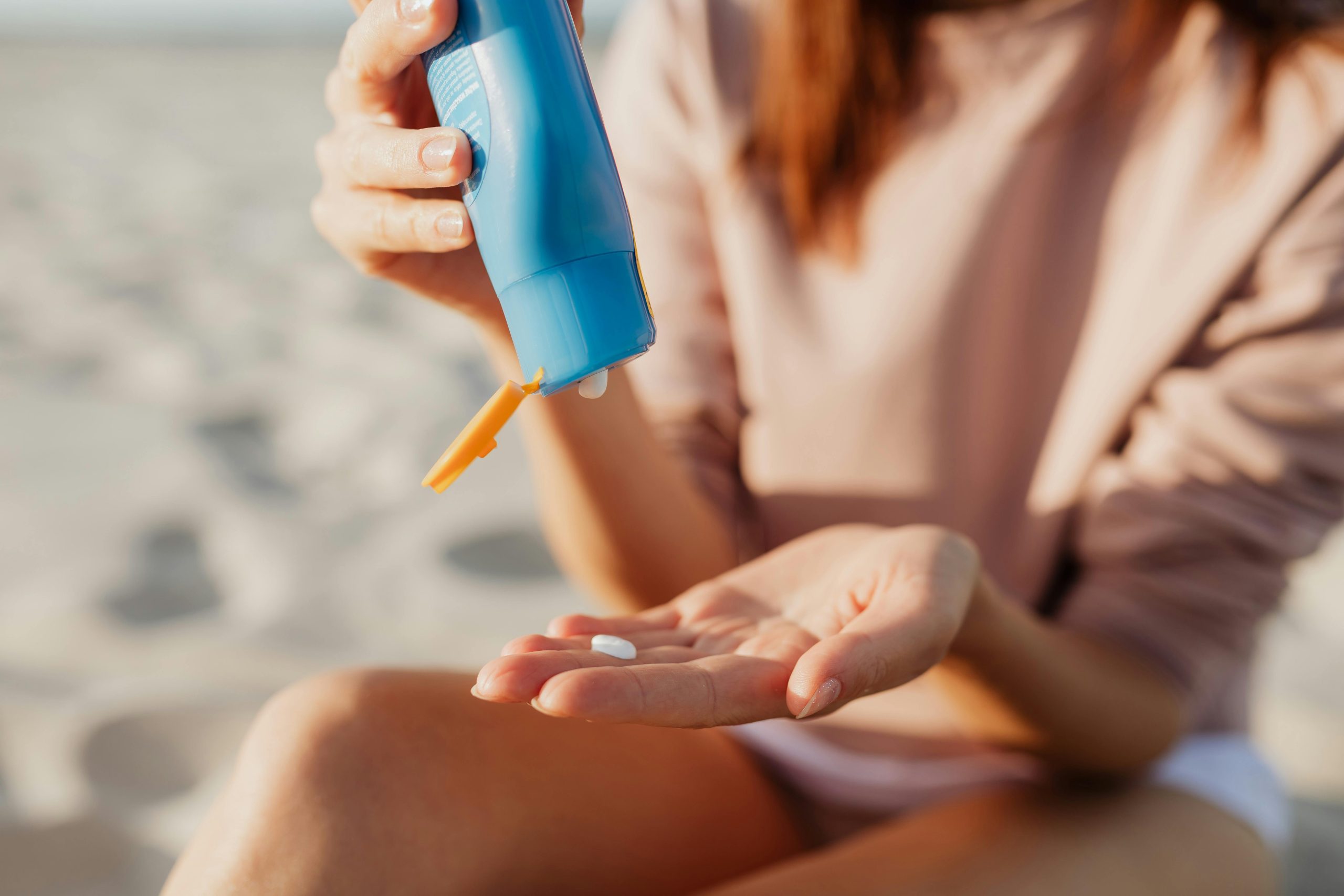
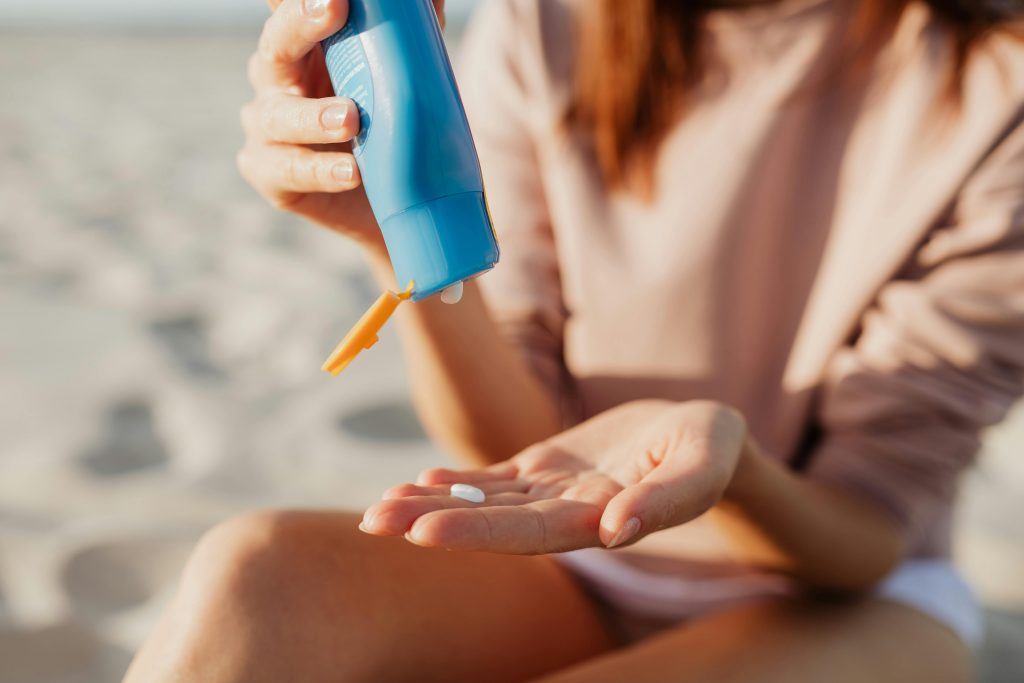
Broad-spectrum SPF 30 or higher blocks both UVA and UVB radiation. Apply every day, not just on sunny ones.
- Avoid peak sun hours
UV intensity is highest between 11am and 3pm in the UK. Seek shade, wear a wide-brimmed hat, and cover up when you can.
- Know your own skin
Notice changes in moles, new lesions, or areas that don’t heal. Getting these assessed promptly is one of the most effective things you can do.
Early detection makes a significant difference
Catching skin cancer early dramatically improves treatment outcomes. We encourage patients to be proactive, not reactive about their skin health.
If you’d like a professional skin assessment, mole check, or simply want to talk through any concerns, our team of consultant dermatologists is here. Book your initial consultation online today.